Prevention
Choosing a dentist in Casablanca: 7 questions to ask
Treatment plan, price, hygiene, emergencies, follow-up: the simple questions that help you choose a dentist with confidence, and the signals that should make you think twice.

Reviewed by Dr Badr Salhi, dental surgeon
Published on 30 August 2026 · 9 min read
Finding a dentist you trust can take time. Online reviews give a first idea, but they do not tell you everything. When choosing a dentist in Casablanca, a few simple questions, asked on the phone or at the first appointment, tell you much more. Here are seven, with what to listen for in the answers.
Contents
What online reviews tell you, and what they do not
Online reviews tell you about the welcome, punctuality, how clear the explanations are and how easy it is to get an appointment. They are useful, especially when they are numerous and detailed. On the other hand, they say almost nothing about the technical quality of treatment, hygiene or whether a treatment plan is appropriate: a patient cannot judge for themselves whether a crown fits well or whether an X-ray has been read correctly.
So read reviews as one clue among others, and add your own questions. Be wary, too, of reviews that are all identical or posted on the same day: they tell you less than a few specific accounts. When choosing a dentist, nothing replaces a first appointment where you see how you are listened to and how things are explained.
1. Will you explain the treatment before starting?
A trusted dentist should tell you what they have seen, what they propose and why, before any non-urgent treatment. X-rays should be shown and explained to you. If there are several solutions, you have the right to know them all, with their advantages and limits.
What to listen for: explanations in plain words, images shown on screen, and the chance to ask questions without being rushed.
2. Are the plan and price explained clearly?
A clear treatment plan and a detailed price let you think, compare and plan your budget. Be wary of a price given without an examination: a serious figure depends on the condition of your teeth, the bone and the materials used.
What to listen for: a plan ranked by priority, which separates what is urgent from what can wait, and a price detailed procedure by procedure.
3. How are the instruments sterilised?
Hygiene is not always visible, but you can ask about it. Reusable instruments must be cleaned, packaged and sterilised in an autoclave between patients; single-use items must be thrown away. A practice that takes these rules seriously will gladly explain them, and some trace each sterilisation cycle to the patient’s file.
What to listen for: a precise answer, given without embarrassment. A question about hygiene is a normal question.
4. Who will I see at each appointment?
When choosing a dentist, knowing who treats you matters, especially for long treatment. Being followed by the same practitioner, who knows your file and your worries, makes continuity of care easier.
What to listen for: the name of the practitioner who will carry out the treatment, and how your file is followed from one appointment to the next.
5. What happens in an emergency?
A tooth that hurts on a Friday evening or a public holiday happens. Ask whether the practice sees emergencies, at what times, and how to reach it. At the CaliSmile Dental Centre, for example, emergencies are seen on call seven days a week, outside practice hours and until 1 am. Our article on a dental emergency in the evening explains when to come and what to do in the meantime.
What to listen for: clear hours and a simple way to reach the practice, by phone or message, along with advice on how to cope with pain while you wait.
6. Is the practice easy for me to get to?
A practice that is too far away, or hours that do not fit your work, end up making you put off check-ups. Look at the opening hours, the district, the parking. For treatment over several appointments, this criterion counts for a lot.
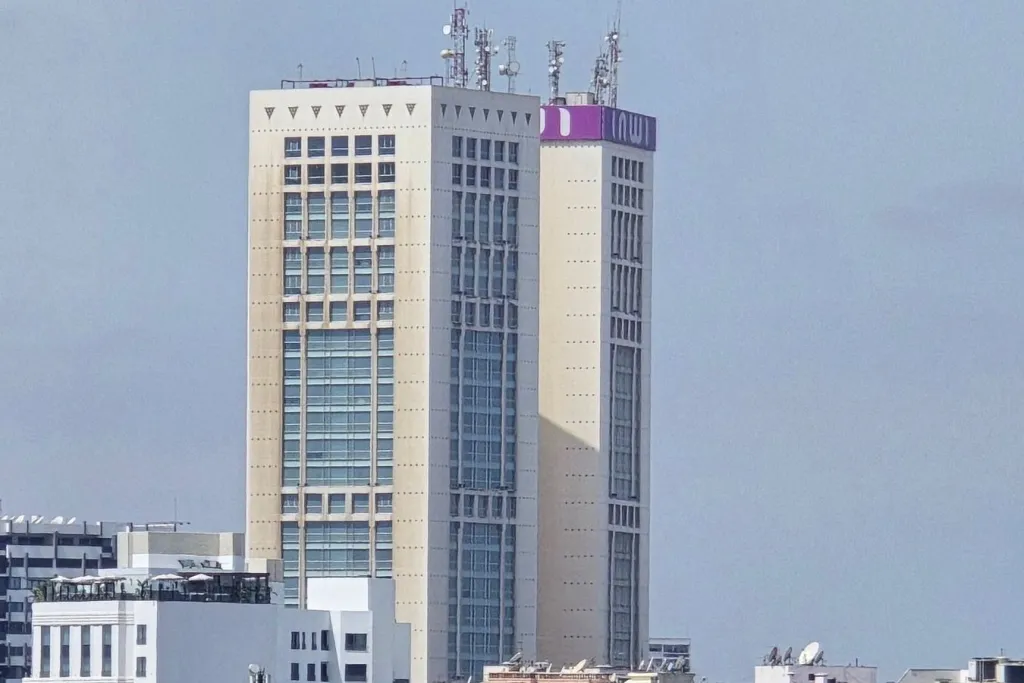
What to listen for: opening hours that fit your schedule, and practical information on how to get there.
7. How is follow-up handled after treatment?
With a trusted dentist, successful treatment continues with check-ups. Ask whether a follow-up appointment is planned, how to reach the practice if a question comes up, and which documents you will be given (report, X-rays), useful if you ever move to another city or country.
What to listen for: a check-up rhythm suited to your mouth, and documents handed over without difficulty.
A good sign: the dentist gives you time to think, and accepts that you may ask for a second opinion.
Choosing a dentist in Casablanca: practical criteria
Beyond the seven questions, a few practical criteria help when choosing a dentist in Casablanca:
- opening hours: a practice open early in the morning or every day makes appointments easier;
- languages: being able to explain yourself in French or Arabic, as you prefer;
- waiting time for a first appointment: a few days rather than several weeks;
- ways to get in touch: phone, message, online appointment requests;
- equipment: an X-ray on site saves going elsewhere for an image.
None of these criteria is enough on its own: it is all of them together, with the first contact, that help you find a dentist in Casablanca who suits you.
Questions to prepare depending on your situation
| Your situation | The question to ask first |
|---|---|
| Pain or a broken tooth | Can you see me quickly, and at what times? |
| An implant or denture project | What solutions exist in my case, and how long do they take? |
| A cosmetic project | What is the lightest treatment that addresses my concern? |
| A child to be followed | How does a first visit go for a child? |
| You live in Europe | What can be done during my stay, and how is follow-up handled? |
| You are afraid of the dentist | Can we start with a simple examination, at my pace? |
Warning signs
- pressure to decide on major treatment immediately;
- a promise of a “flawless” result or treatment “with no discomfort at all”;
- a very low price given without an examination or X-ray;
- reluctance to explain the price;
- a plan that starts with the most expensive treatment without first dealing with cavities and gums.
A trusted dentist accepts your questions, your hesitation and a second opinion: that is a more reliable criterion than any promise.
Your part: between visits
Choosing a dentist also means choosing someone who helps you look after your teeth day to day. Good follow-up includes practical advice: brushing technique, cleaning between the teeth, diet. As the World Health Organization points out, cavities and gum disease are largely prevented by regular brushing with fluoride toothpaste and a diet low in sugars.
On video: brushing your teeth properly
This educational animation shows the brushing technique the dentist explains at a check-up.
And at the CaliSmile Dental Centre?
Dr Badr Salhi’s practice is in the Californie district. The first consultation lasts 45 minutes and ends with a treatment plan and the price explained, with no commitment. You are seen by the same practitioner at every appointment.

You can find out about the practitioner on the Dr Badr Salhi page, the hygiene protocol on the Hygiene and sterilisation page, and how the first appointment unfolds in our article on the first consultation. If you live in Europe, our article getting dental care in Morocco while living in France helps you prepare your stay.
Frequently asked questions: finding a dentist in Casablanca
How do I find a dentist in Casablanca when I have just arrived?
Start with a practical criterion, access from your home or work, then read reviews and call to ask two or three questions. A first check-up appointment then lets you judge for yourself.
Can I ask for a second opinion?
Yes, and it is your right. A written plan and your X-rays allow another dentist to give an opinion without redoing everything.
When choosing a dentist, should I go for a practice near home?
Not necessarily, but it is a real advantage: check-ups are easier to keep, and treatment over several appointments is less of a burden.
Can a price change during treatment?
It can change if something is discovered during treatment, for example a cavity deeper than expected. The dentist must then explain it to you and get your agreement before continuing.
What should I do if I am not satisfied with a treatment?
Talk to the dentist who carried it out first: many problems are resolved with a simple adjustment. Keep your documents, treatment plan and X-rays, which make any discussion or second opinion easier.
Are online reviews reliable?
They give an idea of the welcome and how clear the explanations are, especially when there are many of them. They say little about technical quality: add your own questions at a first appointment.
How much time should I allow for a first appointment with a trusted dentist?
At the CaliSmile Dental Centre, the first consultation lasts 45 minutes: examination, X-rays if needed, explanations, then a treatment plan and the price explained.
This article gives general information; it does not replace a consultation.