Prevention
Teeth sensitive to cold: the causes and what brings relief
A brief twinge on contact with cold, sweet things or air: where tooth sensitivity comes from, how to tell it apart from a nerve problem and how to ease it for good.

Reviewed by Dr Badr Salhi, dental surgeon
Published on 20 September 2026 · 9 min read

A sip of iced water, an ice cream, a breath of cold air: a sharp pain shoots through the tooth, then disappears. Having teeth sensitive to cold is very common. The cause is often harmless, but it is worth identifying, because a cavity or a crack can produce the same sensations at first. This guide explains where tooth sensitivity comes from, what brings relief day to day and what can be done at the practice.
Contents
Where tooth sensitivity comes from
Beneath the enamel lies the dentine, a tissue crossed by thousands of tiny channels that connect with the nerve of the tooth. These channels contain fluid: when cold, heat, sugar or acidity make it move, the nerve reacts at once. As long as the dentine is covered by enamel or by the gum, it is protected. When it is exposed, the slightest change is passed on: this is dentine hypersensitivity. The French Assurance Maladie (page in French) describes it as pain on contact with cold or heat, sweet or acidic foods, air passing over the teeth or brushing.
The pain has fairly typical features: it is sharp, brief, triggered by something specific, and disappears within one or two seconds once the cold has gone. It often affects several teeth, particularly at the neck of the tooth, the area bordering the gum.
The 6 most common causes
Receding gums
This is the most common cause. When the gum recedes, it uncovers the root of the tooth, which is not protected by enamel. The recession can come from brushing too hard with a hard brush, from gum disease, from smoking, or sometimes from orthodontic movement.
Enamel worn by acids
Fizzy drinks, citrus juices, lemonade, energy drinks or acid reflux from the stomach soften the enamel. Brushed straight afterwards, it wears faster. Freshly squeezed orange juice, very popular, does not have to be avoided: simply drink it with meals and rinse with water afterwards.
Grinding or clenching the teeth
Often at night, without realising it, and made worse by stress, grinding wears the enamel and creates small cracks. The teeth look shorter, with flat edges.
Recent whitening
Whitening makes the teeth sensitive for a few days, temporarily. Products sold without a dentist’s supervision, such as charcoal or abrasive powders, can however wear the enamel for good.
Early tooth decay
Sensitivity confined to one tooth, especially to sweet things, is often the first sign of a cavity. Our article on tooth decay explains its stages.
A crack or a leaking filling
A cracked tooth or an old filling with a damaged seal lets cold through to the nerve. The sensitivity is then localised and always comes back in the same place.
Sensitivity or a nerve problem?
Pain that lasts one or two seconds and disappears as soon as the cold has gone usually means simple sensitivity. However, see a dentist quickly if:
- the pain lasts several seconds after contact;
- you have a tooth sensitive to heat for a long time, which suggests inflammation of the nerve rather than sensitivity;
- it comes on for no reason, or wakes you at night;
- it affects a single tooth, more and more;
- the tooth hurts when you chew, or changes colour.
These signs can indicate a deep cavity or inflammation of the nerve, which needs treatment. Our article on severe toothache explains what to do if the pain sets in.
What eases teeth sensitive to cold day to day
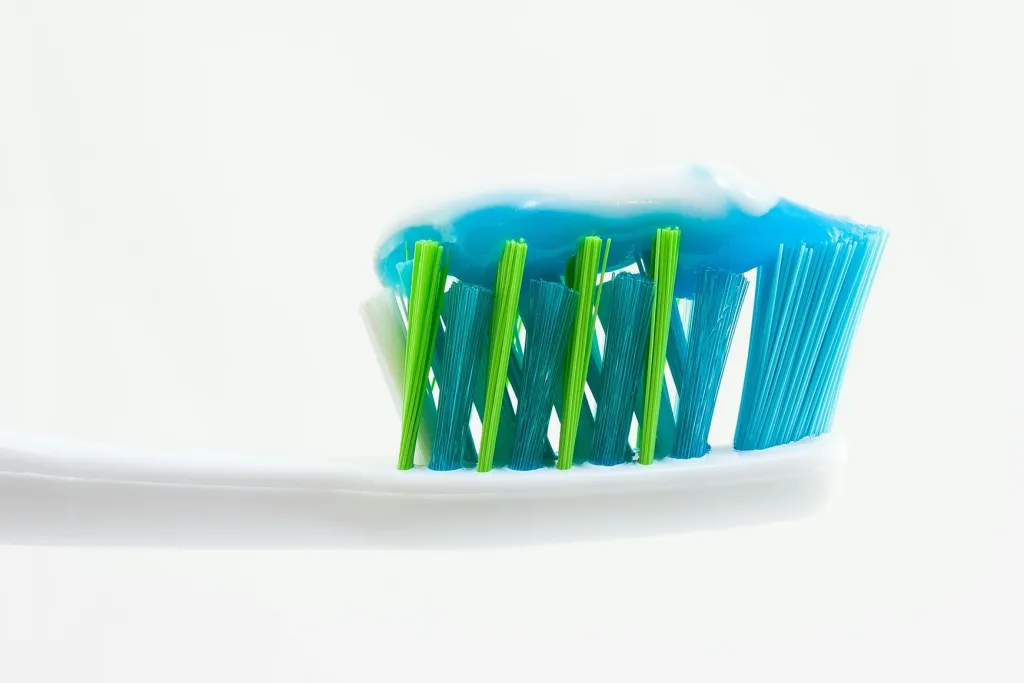
- A toothpaste for sensitive teeth, used morning and evening for at least two to four weeks: its effect builds up gradually. In the evening, you can apply a little with your fingertip on the sensitive area, without rinsing.
- A soft brush, with gentle brushing, from the gum towards the tooth, without hard horizontal strokes.
- Waiting half an hour before brushing after an acidic drink, while saliva neutralises the acidity.
- Drinking acidic drinks through a straw, with meals, and rinsing with water afterwards.
- Avoiding extremes for a few weeks: iced drinks, biting straight into ice cream.
If the sensitivity has not eased after a month of suitable toothpaste, it is time to have the tooth examined.
What the dentist checks during the examination
To treat teeth sensitive to cold, you first need to know why they are sensitive. The examination follows a simple order:
- the questions: since when, which teeth, what triggers the pain (cold, heat, sugar, air, chewing) and how long it lasts;
- the observation: gum level, exposed necks, wear or small notches near the gum, flat edges that suggest grinding;
- the tests: a light puff of air or cold on each tooth locates the sensitivity; a bite test looks for a crack;
- the X-ray, if a cavity, a leaking filling or a nerve problem is suspected.
This check takes a few minutes and avoids treating a cavity as simple sensitivity, or the other way round.
Treatment at the practice
Once the cause has been identified, Dr Salhi suggests suitable treatment.
A fluoride varnish or desensitising agent
Applied to exposed necks in a few minutes, it seals the tiny channels in the dentine. The effect is often felt in the same appointment and can be repeated if needed.
A filling on the neck of the tooth
When the neck is worn or notched, a thin layer of composite covers and protects it.
Treating a cavity or an old filling
A cavity is treated, or a faulty filling replaced, most often in one appointment. The procedure is described on the fillings and restorative care page.
A night guard
If you clench or grind your teeth, a custom-made guard protects the enamel during sleep and reduces wear.
Treating the gums
When the recession is linked to gum disease, periodontal treatment stabilises the situation. For significant recession, a gum graft can partly cover the exposed root; whether it is suitable is discussed after an examination.

Temporary sensitivity after treatment or during a course of treatment
Some sensitivity is expected and goes away on its own:
- after a scale and clean, the tartar removed uncovers necks that were covered: the sensitivity lasts a few days, while the tooth adjusts;
- after a filling, the tooth can react to cold for a few days;
- during orthodontic treatment, teeth that are moving are sometimes more sensitive, especially after an adjustment;
- after whitening, the sensitivity usually lasts one to two days.
A toothpaste for sensitive teeth helps you through this stage. If the discomfort increases instead of easing, or lasts more than two weeks, tell the practice.
On video: tooth sensitivity explained
This educational animation explains why teeth become sensitive and how dentine hypersensitivity is treated.
Preventing tooth sensitivity
The World Health Organization points out that most oral health conditions can be prevented through good hygiene and fluoride. For tooth sensitivity, a few habits matter in particular:
- a soft brush, changed every three months, and a gentle technique;
- a fluoride toothpaste, or one for sensitive teeth if you are prone to it;
- acidic drinks with meals, followed by a rinse with water;
- no brushing in the half hour after an acidic drink;
- a regular check-up, to spot gum recession, a cavity or wear early;
- whitening only under a dentist’s supervision.
If your gums bleed as well as receding, also read our article on bleeding gums.
Frequently asked questions about teeth sensitive to cold
Is tooth sensitivity serious?
In itself, no. But it can signal gum recession, wear or a cavity which, for their part, need treatment. This is why sensitivity that lasts deserves an examination.
How long does a toothpaste for sensitive teeth take to work?
Usually two to four weeks of use morning and evening. Its effect stops if you stop using it: it is used continuously as long as the cause has not been treated.
Why is a tooth sensitive after treatment?
After a filling, sensitivity to cold can last a few days, while the tooth settles. If it increases or lasts more than two weeks, tell the practice.
Does whitening make teeth sensitive?
Yes, temporarily: during treatment and the following days. It then settles. Products not supervised by a dentist, however, can damage the enamel.
Is a tooth sensitive to heat more worrying?
Often, yes. Pain from heat that persists, or that is relieved by cold, suggests inflammation of the nerve rather than simple sensitivity. See a dentist without waiting.
Can teeth sensitive to cold go back to normal?
Yes, when the cause is treated: a protected neck, a stabilised gum, a treated cavity or a corrected habit. The right toothpaste brings relief, but does not replace an examination.
Should I stop cold drinks if my teeth are sensitive?
No, but drinking them through a straw and not holding them in your mouth limits contact with the sensitive areas. While treatment takes effect, above all avoid biting straight into ice cream.
Can a fluoride mouthwash help?
Yes, in addition to toothpaste: used once a day, at a different time from brushing, it strengthens the enamel and the necks of the teeth. It replaces neither brushing nor an examination if the sensitivity persists.
This article gives general information; it does not replace a consultation.