Emergencies
Severe toothache: what to do while waiting for the dentist?
The causes of a severe toothache, the steps that genuinely bring relief, those to avoid, and what happens at the practice, that same evening if needed.

Reviewed by Dr Badr Salhi, dental surgeon
Published on 7 October 2026 · 11 min read
A severe toothache often starts in the evening: the pain throbs, gets worse when you lie down and no longer responds to your usual painkillers. It almost always signals inflammation of the tooth’s nerve (the pulp) or an infection at the root. This guide explains where the pain comes from, what you can do while you wait to be seen, what to avoid, and how treatment goes at the practice.
Contents
What is a severe toothache?
Inside each tooth is the pulp: blood vessels and a nerve enclosed in a rigid cavity. When bacteria reach it, the pulp becomes inflamed and swells. As it cannot expand, the pressure rises: this is what causes the throbbing pain, stronger when you lie down, that we call a severe toothache. The medical term is acute pulpitis.
At first, the pain is triggered by cold, heat or sugar and stops a few seconds later. As the inflammation progresses, it becomes spontaneous, lasts for hours and can spread towards the ear, the temple or the opposite jaw, to the point where it is sometimes hard to tell which tooth is involved.
If the infection goes beyond the tip of the root, an abscess can form. The pain then often changes in nature: the tooth feels “higher”, it hurts on contact, and the gum or cheek may swell.
The causes of a severe toothache
A deep cavity
This is the most common cause. A cavity destroys the enamel and then the dentine without hurting at first; when it nears the pulp, bacteria reach it and the inflammation begins. A slight sensitivity to sugar or cold, weeks earlier, was often the first sign. Our article on tooth decay explains these stages.
A cracked or broken tooth
A cracked tooth lets bacteria through to the nerve, sometimes without any visible crack. The pain is typically sharp when you release your bite. The causes: something hard, a knock, grinding your teeth at night, or a tooth weakened by a large filling. See also broken tooth: first steps.
An old filling that leaks
An old filling or crown can come slightly loose along one edge. A new cavity forms underneath, out of sight, until it reaches the pulp.
A wisdom tooth coming through badly
A partially erupted wisdom tooth traps debris under the gum, which becomes inflamed: this is pericoronitis. The pain is at the back of the jaw and sometimes makes it hard to open the mouth. A panoramic X-ray shows the position of the tooth; removing it falls under oral surgery.
A gum infection
Less often, the pain comes from an infected pocket around the root, linked to gum disease. Bleeding gums are often the first sign; treatment falls under periodontology.
Severe toothache: the steps that bring relief while you wait
- Take a painkiller you are familiar with, following the dose on the leaflet. Paracetamol suits most people. An anti-inflammatory such as ibuprofen can help, unless it is contraindicated (pregnancy, ulcer, kidney problems, anticoagulant treatment): if in doubt, ask your pharmacist.
- Keep your head raised when you sleep: an extra pillow reduces the flow of blood to the tooth.
- Apply cold to your cheek, never directly on the skin: an ice pack wrapped in a cloth, fifteen minutes, then a break.
- Rinse your mouth with warm salt water (a teaspoon of salt in a glass of water) to dislodge debris stuck near the tooth.
- Gently use dental floss on either side of the tooth: a trapped piece of food can keep the pain going on its own.
- Avoid chewing on the painful side, and very hot, very cold or sugary foods.
- Note down what you feel: since when, what triggers the pain, the medicines taken and when. This information saves time when you call.
A painkiller relieves the pain but does not treat the cause: even if the severe toothache settles, the tooth must be examined.
Clove, often mentioned, contains eugenol, which can briefly soothe the gum; used wrongly, it irritates it. It is in no way a treatment.
Mistakes to avoid
- Placing an aspirin tablet against the gum. It burns the lining of the mouth without acting on the tooth.
- Putting a hot-water bottle on your cheek. Heat can encourage an infection to spread.
- Taking antibiotics from an old prescription. A severe toothache caused by the pulp is not treated with antibiotics, and the wrong treatment masks the signs without solving the problem.
- Exceeding painkiller doses, or combining several medicines that contain the same active ingredient.
- Waiting for it to “go away”. Dental pain that disappears suddenly can mean the nerve is dying; the infection, however, carries on.
When to be seen the same evening
Call without waiting until the next day if:
- the pain keeps you awake despite painkillers;
- your cheek, gum or the area under your jaw is swelling;
- you have a fever, or you feel tired and shivery;
- you find it hard to open your mouth or to swallow;
- an unpleasant taste or a discharge appears near the tooth.
The NHS also advises seeing a dentist when pain lasts more than two days or does not go away with painkillers.
Swelling that spreads towards the eye or the neck, or difficulty breathing or swallowing, calls for the hospital emergency department, without delay.
What happens at the practice
Finding the tooth responsible
The first aim is to relieve you, the second to find the exact cause. Dr Salhi asks you about the pain, tests the teeth with cold and gentle tapping, then takes a digital X-ray: it shows how deep a cavity goes, an old filling that leaks or an infection at the tip of the root.
Relieving the pain from the first appointment
Most often, the tooth is opened under local anaesthetic to bring the pressure down and remove the inflamed pulp: the pain eases in the following hours. If there is an abscess, it is drained. Antibiotics are prescribed only for significant swelling or fever; they are not the treatment for the severe toothache itself.
Finishing with root canal treatment
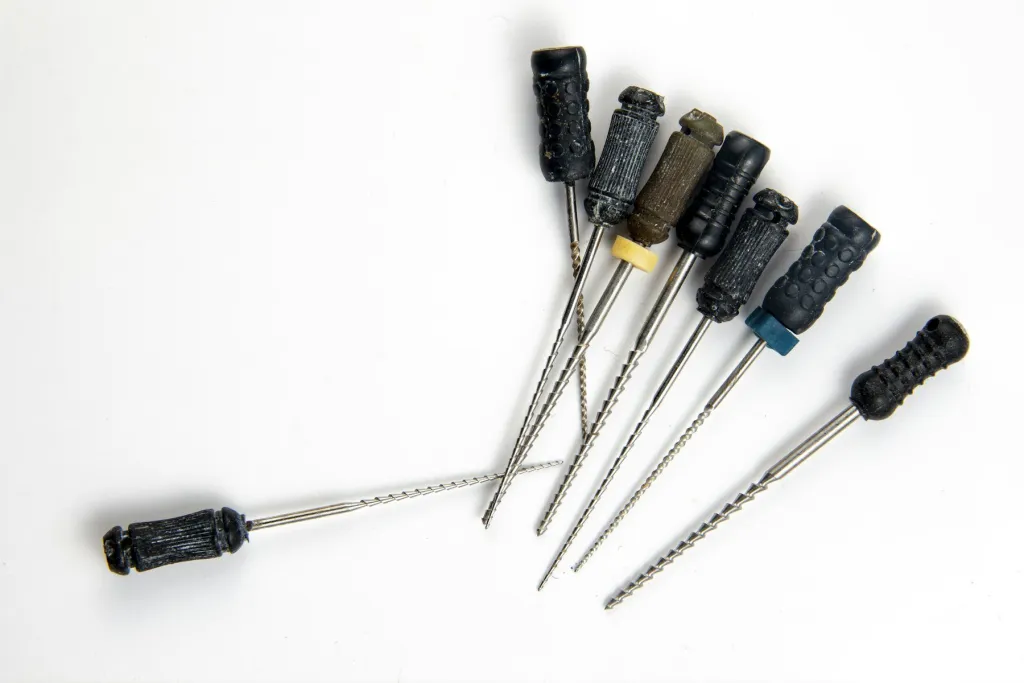
Treatment ends with root canal treatment: the root canals are cleaned, disinfected and then sealed, in one or two appointments of about an hour. Tenderness when chewing is common for two or three days. The tooth, more fragile afterwards, is often protected with a crown. Every step and its price are explained to you before it is carried out.
When the tooth cannot be kept
If the root is fractured deep down, or if the tooth can no longer be rebuilt, extraction is sometimes the only option. The ways of replacing it, an implant, a bridge or a removable denture, are discussed afterwards, without rushing.
On video: pulpitis explained
This educational animation shows how a cavity reaches the pulp and what can be done about it.
Severe toothache in children
Baby teeth have thinner enamel: a cavity reaches the pulp more quickly. A child cannot always say exactly where it hurts; watch out if:
- they refuse to eat or only chew on one side;
- they complain when touching their cheek, or wake up at night;
- you see a dark spot or a hole in a tooth;
- the gum is red or swollen, or they have a fever with no other cause.
Give a painkiller suited to their weight, according to the leaflet, and see a dentist quickly. An infected baby tooth can damage the permanent tooth forming underneath. The children’s dentist page describes how treatment goes for the youngest patients.
Complications of an untreated severe toothache
An infected pulp does not heal on its own. Without treatment, the infection can:
- form an abscess at the root, sometimes with a fistula (a small spot on the gum through which pus drains);
- spread to the tissues of the cheek or neck: this is dental cellulitis, which needs prompt treatment;
- reach the jawbone or, for an upper molar, the sinus;
- destroy the tooth to the point where it can no longer be kept.
These complications have become rare because most people are seen in time. It is a good reason not to let dental pain drag on, even when it settles.
Preventing the next severe toothache
Most severe toothaches come from a cavity that progressed silently. According to the World Health Organization, untreated tooth decay is the most common health condition in the world, and it is largely prevented by simple habits.
Every day
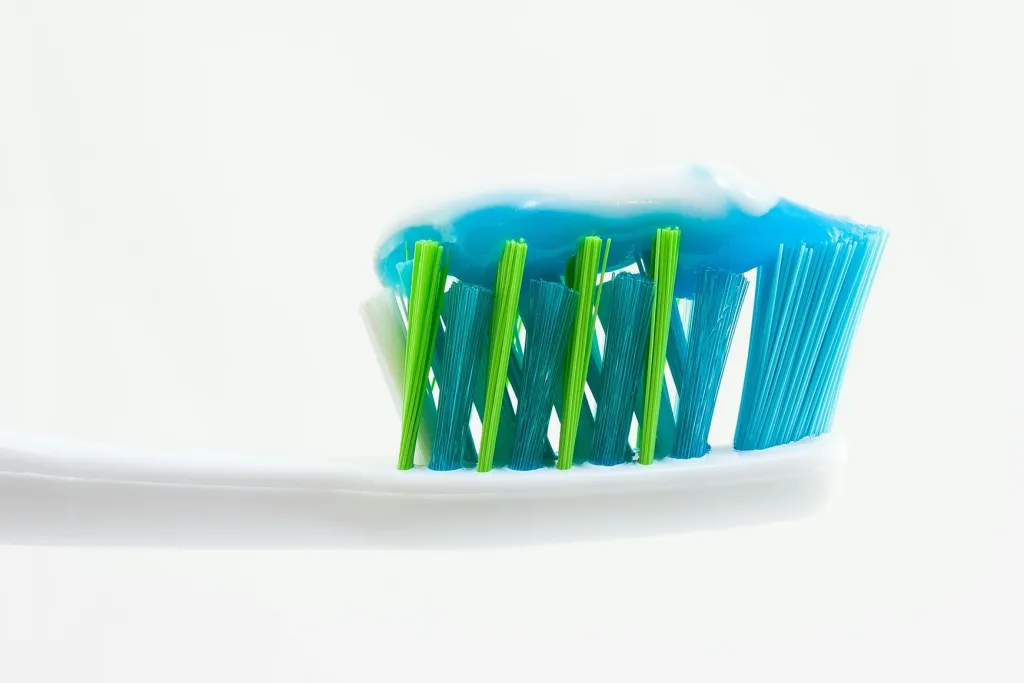
- Brush your teeth twice a day for two minutes, with a fluoride toothpaste.
- Clean between your teeth once a day, with floss or interdental brushes.
- Cut down on snacking and sugary drinks between meals.
- If you grind your teeth at night, mention it: a night guard protects the enamel and older fillings.
At the dentist
A check-up every six months to a year makes it possible to spot a cavity while a simple filling is still enough. Sensitivity that lasts a few seconds after cold or sugar is a signal not to ignore: our article on teeth sensitive to cold helps you tell the difference.
A severe toothache at night in Casablanca
The CaliSmile Dental Centre, in the Californie district, sees emergencies by phone outside its opening hours, until 1 a.m., including weekends and public holidays: from 7 p.m. on weekdays, from 1 p.m. on Saturday and from 8 a.m. on Sunday. Call first on 06 51 51 54 56: describing your symptoms means you can be seen quickly and the treatment can be prepared. All the practical information is on the Dental emergencies and Evening dentist pages, and our article on dental emergencies in the evening explains how to prepare for the call.

Frequently asked questions about severe toothache
Can a severe toothache go away on its own?
It can settle, but the cause remains. Pain that disappears suddenly often means the nerve is dying; the infection carries on and can form an abscess. The tooth must be examined even if it no longer hurts.
How long does a severe toothache last?
Without treatment, it comes and goes in bouts over several days, sometimes longer. Once the tooth has been opened at the practice, the pain usually eases within a few hours; tenderness when chewing can last two or three days.
Why is a severe toothache worse at night?
When you lie down, more blood flows to the head and the pressure rises inside the inflamed tooth. Keeping your head raised helps you get through the night until your appointment.
Which painkiller should I take for a severe toothache?
Paracetamol suits most people; ibuprofen can help if it is not contraindicated. Follow the dose on the leaflet and ask your pharmacist for advice if you are pregnant, taking other treatment or have a long-term condition.
Are antibiotics needed for a severe toothache?
Not as a rule: it is cleaning the tooth that treats the cause. Antibiotics are prescribed for significant swelling or fever, always after an examination.
Is the treatment for a severe toothache painful?
It is done under local anaesthetic, and we wait for it to take effect before starting. A very inflamed tooth sometimes takes longer to numb: Dr Salhi adjusts the anaesthetic, and you can stop at any time with an agreed signal.
This article gives general information; it does not replace a consultation.